
What Probate Covers in Traverse County
Probate in Traverse County covers the court side of estate administration and the related protective proceedings that sit in District Court. The Minnesota Judicial Branch says Traverse County District Court has original jurisdiction in probate cases, and the local calendar shows probate hearings with PR case numbers, so the public record trail is straightforward once the case type is known. Estate questions often involve wills, personal representatives, inventories, and distributions, while related protective matters can include guardianships and conservatorships. Some items are visible in MCRO and others stay in the courthouse record system.
Because Traverse County uses the Probate Division of District Court rather than a separate probate court, the same courthouse and Court Administration staff that manage other district court records also handle probate files. That gives residents one local office to call for certified copies, file status, and older records, but it does not make every probate document public. The research shows that some categories remain restricted, especially where Minnesota's public-access rules limit online display or court inspection.
Source: Minnesota probate wills and estates FAQ.
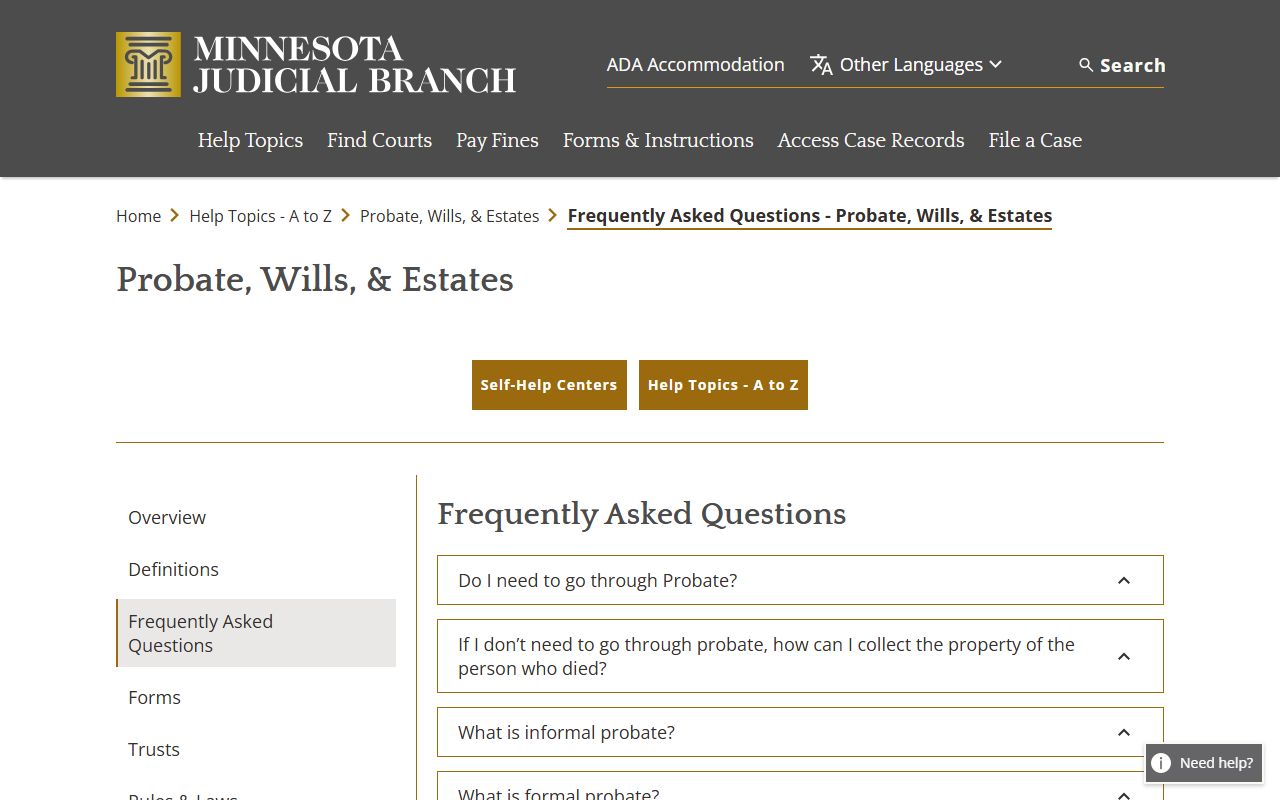
The FAQ is the most direct statewide summary of what probate usually involves and when probate is needed.
Probate Terms Defined
Probate filings use a vocabulary that is easy to miss if you only look at the case title. The words below show up in Traverse County estate files, public calendars, and forms, so a short definition list makes the record trail easier to read. The county research also shows small-estate affidavits and will-deposit rules, which are common reasons users need a fast definition check before they request a copy or file something new.
- Testator
- The person who made the will.
- Executor
- The person named to carry out the will's instructions.
- Intestate
- Death without a valid will.
- Guardianship
- A court case that appoints a person to make decisions for another person under the law.
- Conservatorship
- A court case that appoints a person to manage money or property for another person under the law.
- Personal representative
- The person appointed to administer an estate.
Source: Minnesota small-estate collection by affidavit statute.
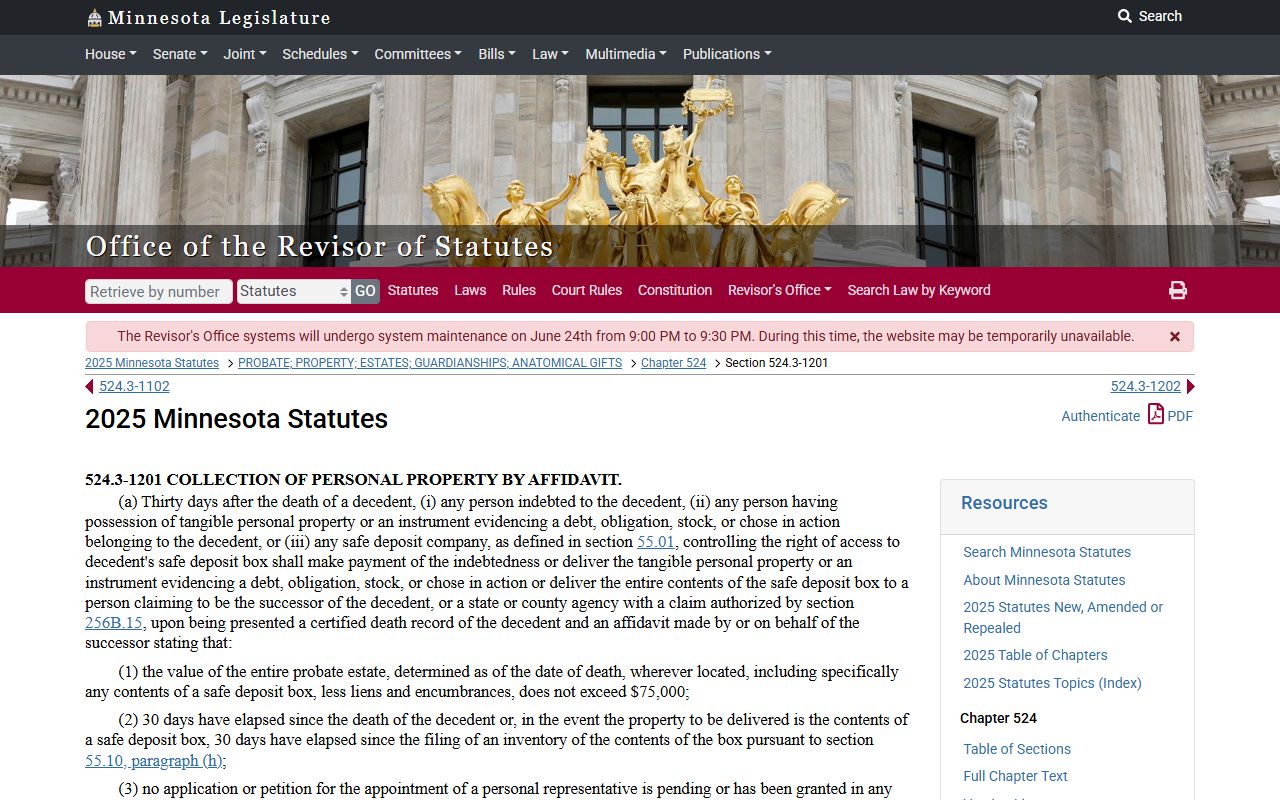
The small-estate statute is the cleanest shortcut when the estate can avoid a full probate filing.
How to Search Traverse County Probate Division of District Court
Searching probate records in Traverse County usually starts with MCRO and the public court calendar, then moves to Court Administration if the record is older, certified, or not fully online. The county research shows that MCRO document access covers Formal Probate, Other Probate, Guardianship and Conservatorship, and Trust case types filed on or after July 1, 2015. The daily calendar also showed probate hearings, which means a public user can often confirm the case number or hearing date before asking for the file.
When a probate matter is smaller, the small-estate affidavit route may replace a formal probate filing. That is why the search path should always ask two questions in order: is the record a public probate case in MCRO, and does the estate qualify for a simplified affidavit process instead of a full court case? The answer changes what you search, what you request, and what office can give you a certified copy.
- Search the case name or case number in MCRO to see whether a probate case is already public.
- Use the Traverse County court calendar to confirm whether a probate hearing is scheduled or already posted.
- Contact Court Administration if the file is older, certified, or not fully visible online.
- Use the small-estate affidavit process when the estate meets the statutory requirements and full probate is not needed.
Source: Minnesota small-estate affidavit forms.
The affidavit packet is the practical alternate path when an estate is too small for formal probate.
Source: Minnesota will deposit statute.
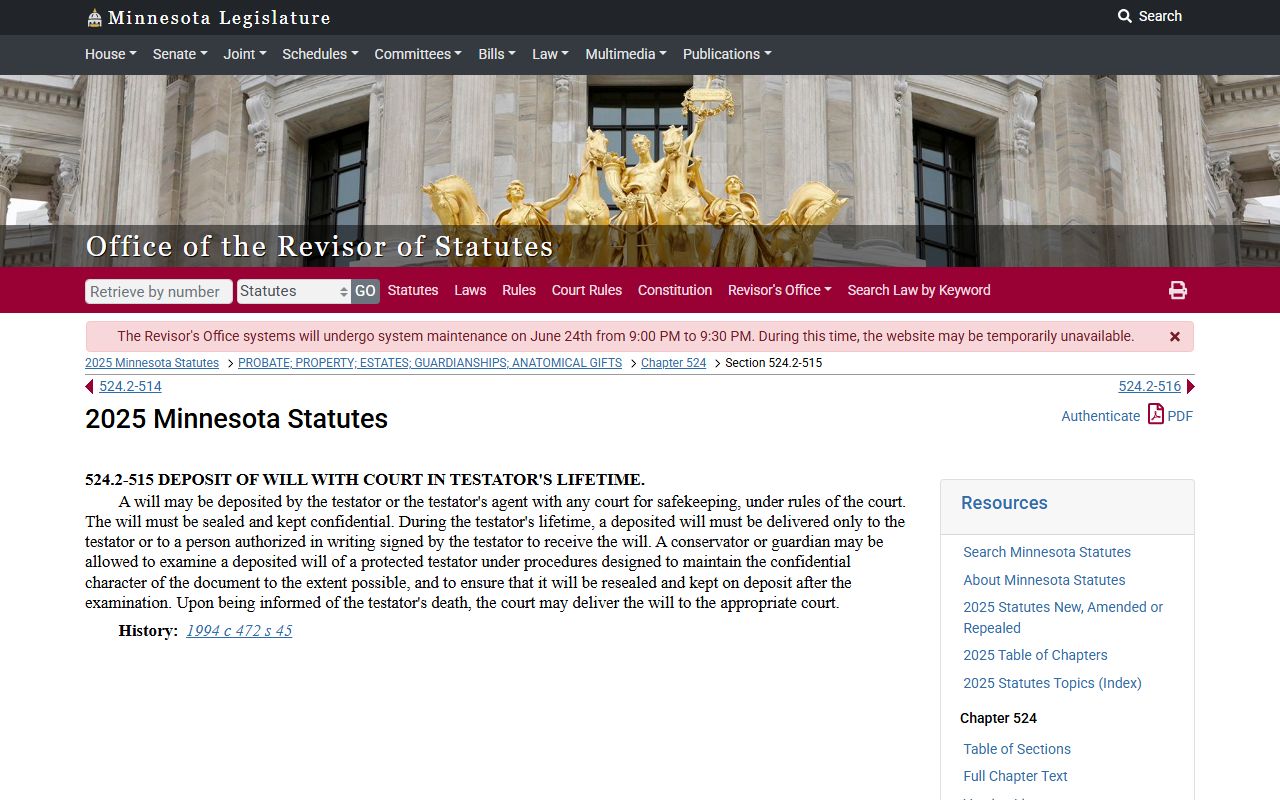
Will deposits are treated differently from ordinary probate files, so the safekeeping rule matters before a request is made.
Probate Courts in Traverse County
Traverse County does not have a separate probate court system. Instead, probate matters are heard in the Probate Division of District Court at the Traverse County Courthouse in Wheaton. That local setup is important because it keeps probate under the same courthouse roof as the rest of the county's district court work. It also means the same office that handles district court copies and case flow is the one that can answer probate record questions when a document is not fully available online.
Probate Division of District Court
Traverse County Courthouse
702 Second Avenue North, P.O. Box 867
Wheaton, MN 56296
(320) 422-6010
Monday-Friday, 8:00 a.m.-4:30 p.m.
Source: Minnesota adoption records statute.
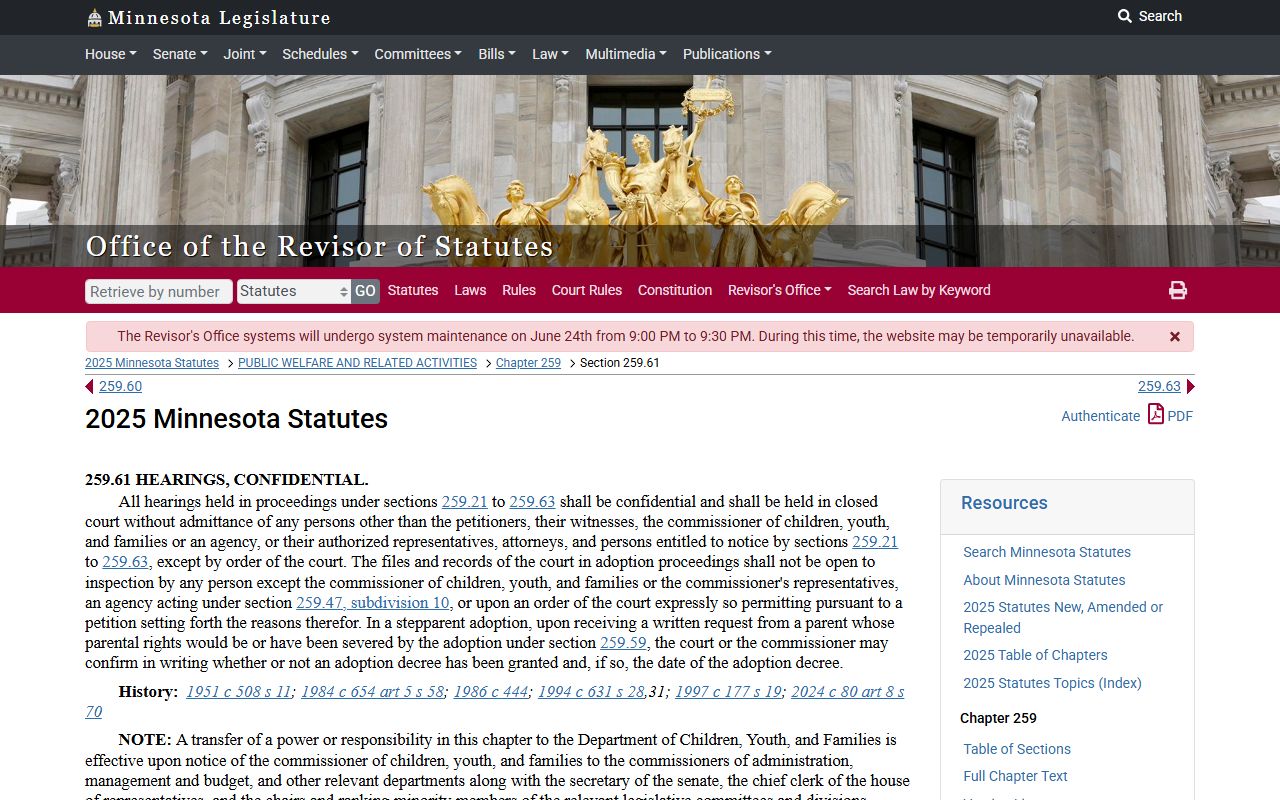
Adoption records are one example of a probate-related file that can have special access limits.
Probate Filing Fees
The fee schedule in the county research gives the practical numbers a probate user needs before filing or requesting copies. Some fees are probate-specific, while others are general district court copy or report charges that can still matter when a probate requester needs a certified copy or a longer case printout. The county's fee structure is straightforward enough that a requester can usually tell at a glance whether a matter is a full probate filing, a small-estate shortcut, or a simple copy request.
| Item | Amount |
|---|---|
| Probate first paper filed | $325 |
| Deposit of wills for safekeeping | $27 |
| Certified copy of instrument from civil or criminal proceeding | $14 |
| Exemplified and certified copy | $28 |
| Uncertified copy of instrument from civil or criminal proceeding | $0 |
| Report generated from case management system, 1-50 pages | $5 |
| Report generated from case management system, 50+ pages | $25 per 50 pages or part |
What Traverse County Probate Division of District Court Shows
Probate case files can show the petition or application that opened the estate, wills and codicils, notices to creditors, inventories, accountings, orders, and closing documents. In Traverse County, the public calendar sample also showed role labels such as decedent, petitioner, and attorney, which helps a user read the file in the right sequence. When a probate matter is public, MCRO may show enough to track the case, but the full file can still require a visit to Court Administration for certified or older material.
Restricted Probate Division of District Court
Some probate-related documents do not appear the same way as ordinary civil filings. The public-access rules cited in the research specifically protect deposited wills during the testator's lifetime, and the county research also points to adoption and civil commitment statutes as examples of records with special confidentiality treatment. That means a user should not assume that every probate-related file is fully searchable from home. If the online record is missing, the safer move is to check with Court Administration rather than assume the file does not exist.
When a document is sealed, restricted, or otherwise limited, the right question is not only where it is stored but who is allowed to inspect it. That is why Traverse County probate search work often becomes a request for confirmation, not just a request for a docket entry. The county office can tell the requester whether the file is public, whether a certified copy is available, and whether the record has to be handled under a special access rule.
Source: Minnesota civil commitment confidentiality statute.
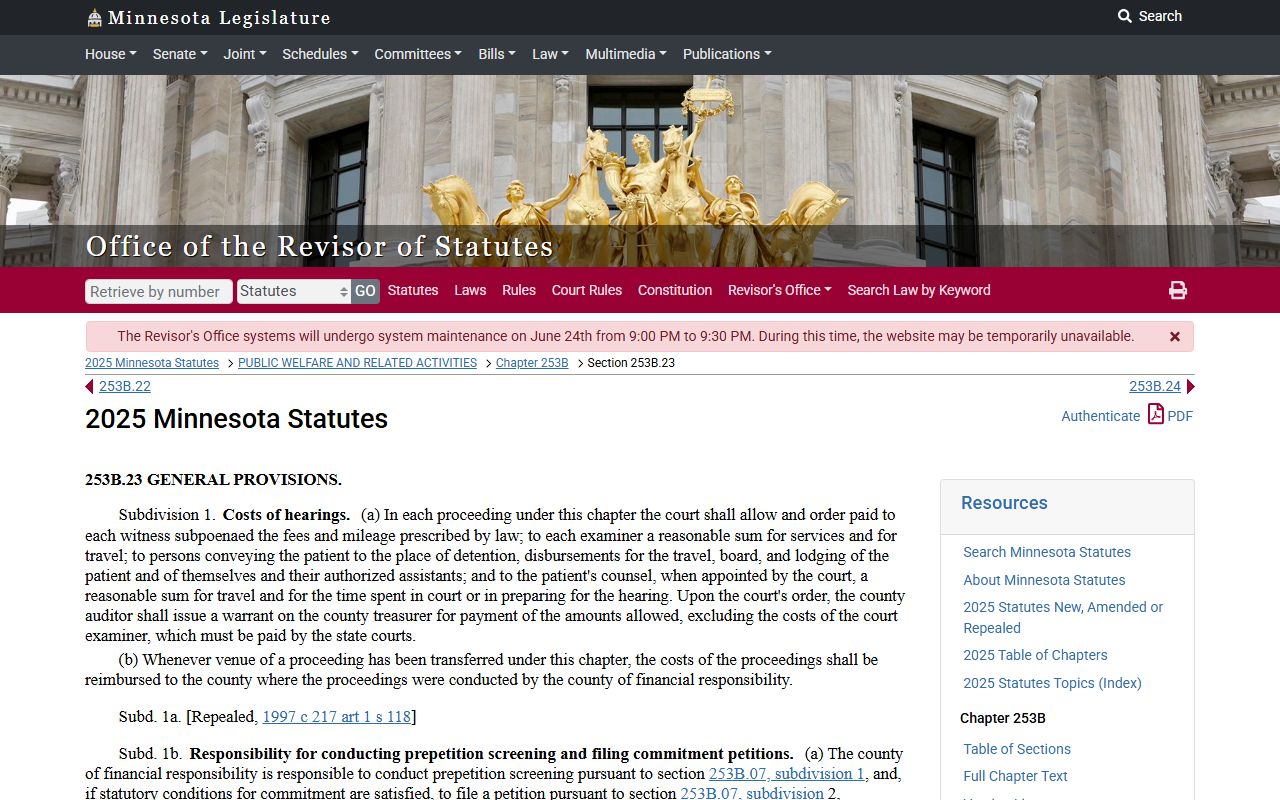
Civil commitment records are a good reminder that probate-adjacent files can carry access limits even when they are filed in district court.