
Traverse County Arrest Records and Court Charges
Traverse County arrest records are tied to the Sheriff, law enforcement intake, jail booking, warrants, and custody data. The official inmate roster can show a mugshot column, name, address, age, booking date, held-for agency, conditional bail amount, sentence end date, and charge or statute description lines. Those fields describe custody and booking status, not the final criminal case outcome.
Court charges after arrest are different. In Minnesota, the Traverse County Attorney is the local elected prosecutor for many criminal matters. Once charges are filed in District Court, Court Administration keeps the court charge record as part of the case file. The full case file, disposition, and sentence belong on the Traverse County criminal court records page, while custody details belong with the jail roster.
How to Find Traverse County Arrest Records and Charges
Use the official source that matches the record type. Booking and local custody information comes from the Sheriff's inmate roster and jail phone line. Filed court charges are searched in MCRO by case number, citation number, attorney, or name where allowed. The BCA public criminal history system is a separate statewide conviction-history source and should not be treated as the same thing as a live arrest record or court case.
- Check the Sheriff's roster or call the jail for current local custody and booking questions.
- Search MCRO Case Search by case number or citation number for filed court charges.
- Open Case Details and review each charge, statute number, level, plea, disposition, and sentence when public.
- Use the BCA public search only for statewide public criminal-history data, not for live jail custody.
The Minnesota State Law Library Traverse County legal referral page is relevant when charges after arrest create a need for defense counsel or legal referral information.
Legal referral information is not a charge search, but it is a practical next channel when a pending charge needs court representation.
How Charges Get Filed After an Arrest: Complaint, Information, and Indictment
An arrest can happen before, during, or after court charging activity. The charge record begins when a formal accusation is filed or entered in court. Minnesota criminal cases commonly use a complaint or citation-based filing. Grand-jury indictments are possible in serious matters, but the researched Traverse County sources did not identify a local grand-jury channel that should be treated as the routine path.
| Complaint | Information | Indictment | |
|---|---|---|---|
| Filed By | Prosecutor or law-enforcement citation process | Prosecutor when applicable | Grand jury |
| Common For | Minnesota criminal complaints and citation-based cases | Prosecutor-filed charge document where used | Serious felony matters |
| Record Location | District Court case file | District Court case file | District Court case file after filing |
The Minnesota Board of Public Defense office locator is shown below because charged defendants may need appointed-counsel information after charges are filed.
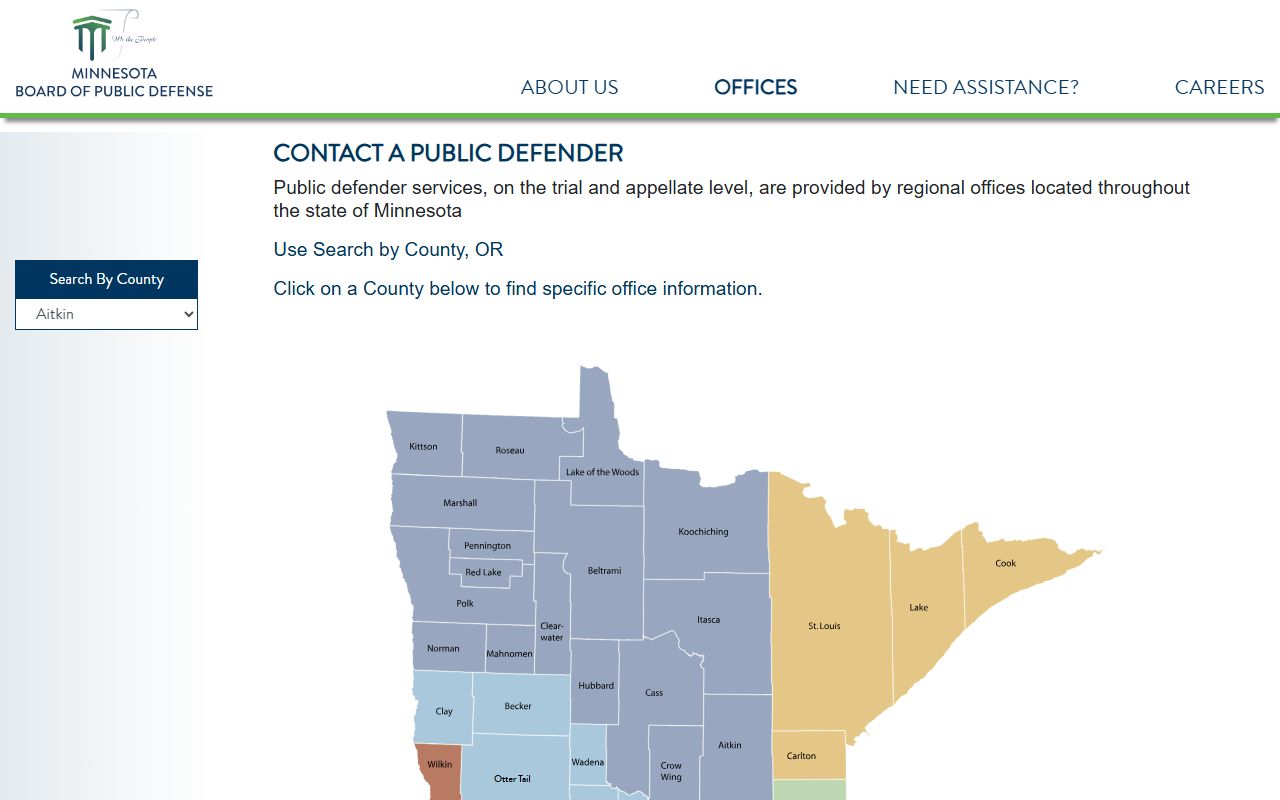
Public defense is for qualifying criminal and juvenile delinquency defendants, not for general records searches.
Charge Status and What It Means
Charges can change as a Traverse County case moves through District Court. A prosecutor may amend a charge, reduce the severity, add counts, dismiss a count, or proceed to plea or trial. Read the status for each charge separately because one arrest can lead to several counts with different outcomes.
| Status | What It Means |
|---|---|
| Pending | The charge has not reached final disposition; MCRO defendant-name search may be limited. |
| Amended / Reduced | The charge text, statute, or severity changed by prosecutor action or court order. |
| Dismissed | The court ended that count without conviction, though other counts may remain. |
| Convicted | The charge ended in a guilty plea, verdict, or qualifying disposition. |
The Minnesota public defender application portal is an official route for district court criminal case representation requests.
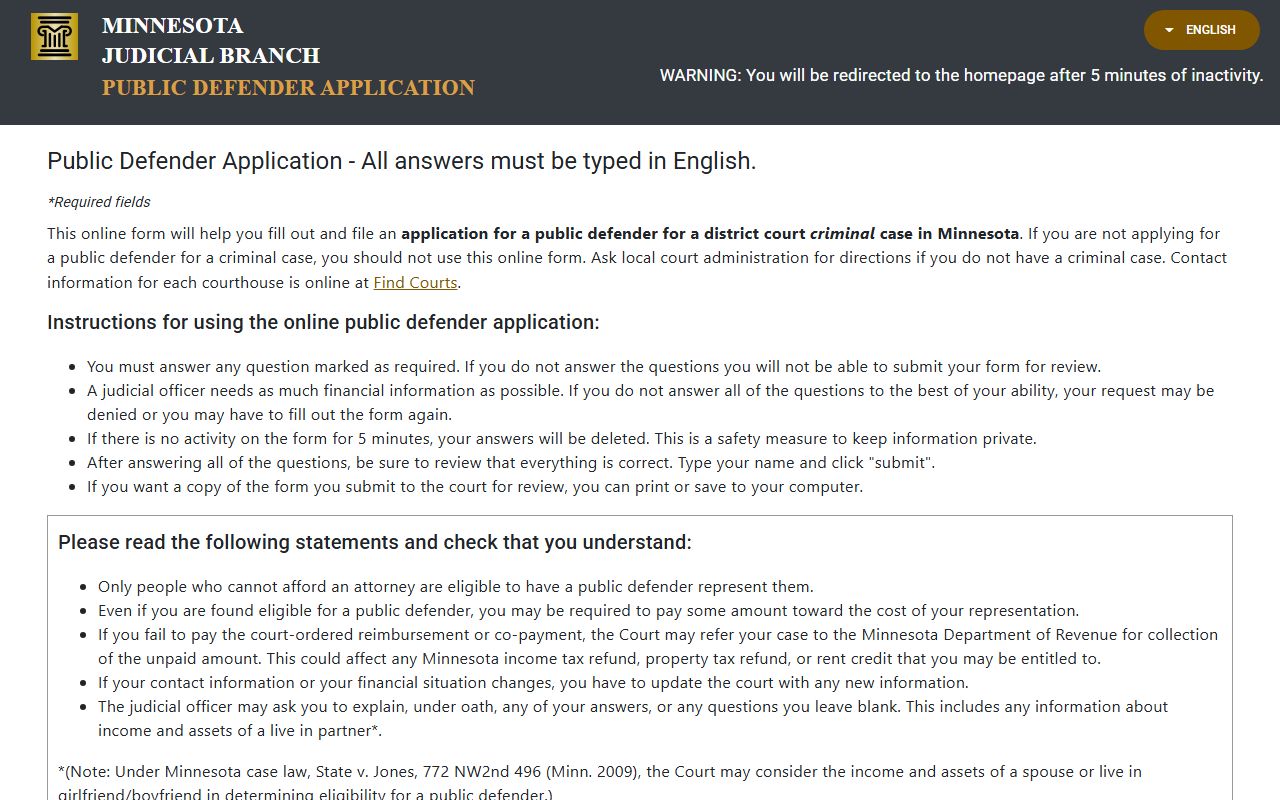
The application portal is tied to criminal cases, so it belongs with the court-charge stage rather than the jail roster stage.
Charges vs. Convictions
A charge is an accusation. A conviction is an outcome. Traverse County arrest records may show a booking charge or warrant reason before the court reaches a final result, while MCRO may later show dismissal, amendment, conviction, or sentencing. BCA public criminal history is also separate and is governed by its own rules.
| Charge | Conviction | |
|---|---|---|
| Stage | Accusation | Verdict or plea |
| Burden of Proof | Probable cause | Beyond reasonable doubt |
| Public Record | Often public when filed, subject to pending-case limits | Generally public unless sealed, expunged, juvenile-restricted, or otherwise nonpublic |
Sealed vs. Expunged Records
Sealed charge records and expunged criminal records have legal access limits. Expungement in Minnesota seals a criminal record from public view by court order. Juvenile charges, adoption-related matters, civil commitment medical records, protected victim identifiers, and records filed under nonpublic cover sheets may also be restricted under Minnesota law and court rules.
| Sealed | Expunged | |
|---|---|---|
| Visibility | Not open to ordinary public viewing | Sealed from public search by District Court order |
| Common Reason | Confidential data, juvenile matter, or court order | Criminal expungement petition granted under Minnesota law |
| Access Path | Court order, legal authority, or party access may be required | Review the expungement order or seek legal advice before relying on absence from search |
Charge Codes and Severity Levels
Charge records can list statute numbers, offense text, severity level, and count status. The Traverse inmate roster field inventory found charge/statute description lines, held-for agency, booking date, and conditional bail amount fields. MCRO case records can then show how those charges move through court. One arrest can produce several court charges, and each charge needs its own status check.
The U.S. Attorney's Office for the District of Minnesota appears in the image below because federal charges are separate from Traverse County District Court charges.
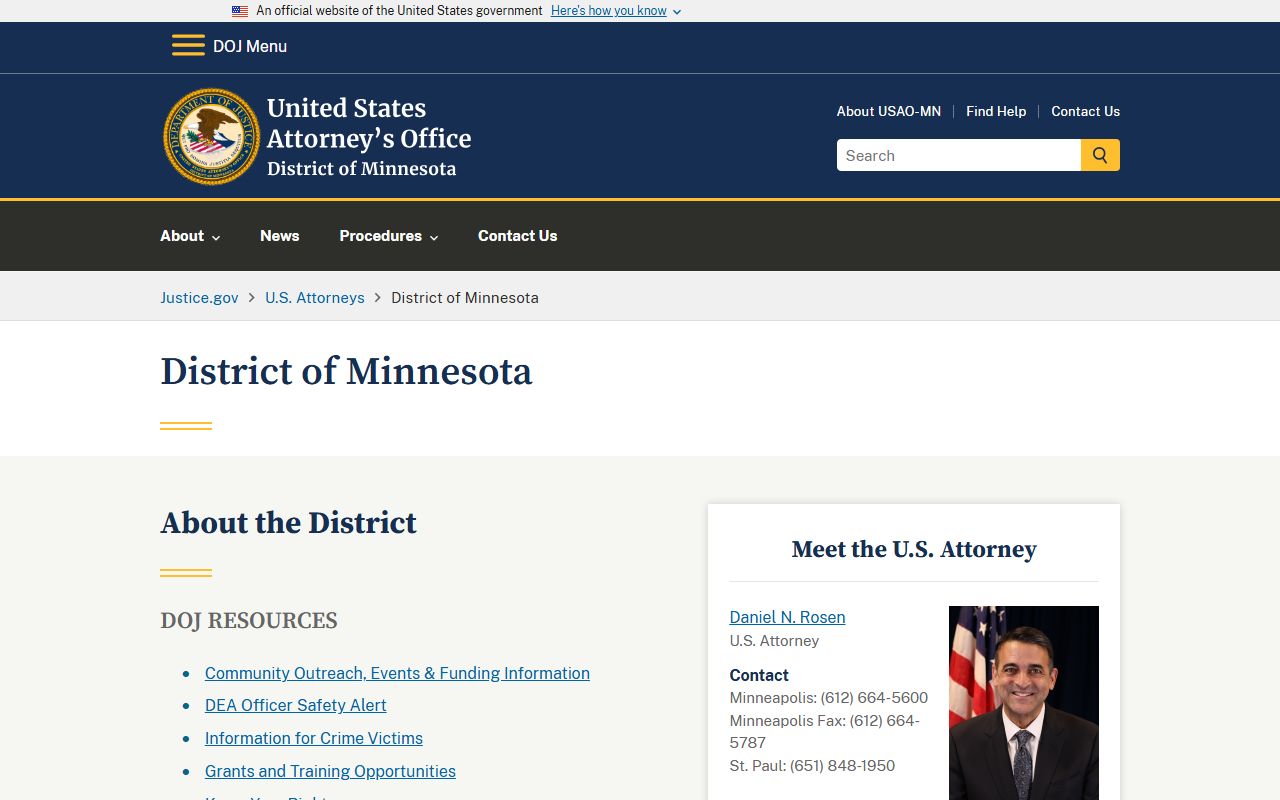
Federal prosecution, federal warrants, and federal custody should not be described as Traverse County District Court charge records.
Statewide Charge and Criminal History Lookups
The Minnesota BCA public criminal history search requires last name, first name, middle name, and date of birth. It provides public criminal-history data under Minn. Stat. section 13.87. It is not a live warrant search, not a jail roster, and not the complete District Court file. Use it as a statewide history channel and verify case-level facts through MCRO or Court Administration.
Background Check Considerations
Arrest and charge lookups can be incomplete or easy to misread. A jail roster entry can show a booking reason without a final court result. A charge can be dismissed. A conviction can be sealed later. Any employment, housing, insurance, credit, or tenant screening use requires lawful consumer-reporting procedures and should not rely on casual public search results.
Important: Public arrest and charge lookup is not a consumer report for employment, housing, credit, or insurance decisions.
Restricted Charge Records in Traverse County
Restricted charge records can include juvenile matters, sealed or expunged adult cases, protected victim data, medical records, and certain pending or nonpublic filings. Pending criminal defendant-name searches are limited in MCRO until conviction, so a missing name result does not prove that no charge exists. Use case number, citation number, attorney information, the Sheriff, or Court Administration when the search involves a current matter.